



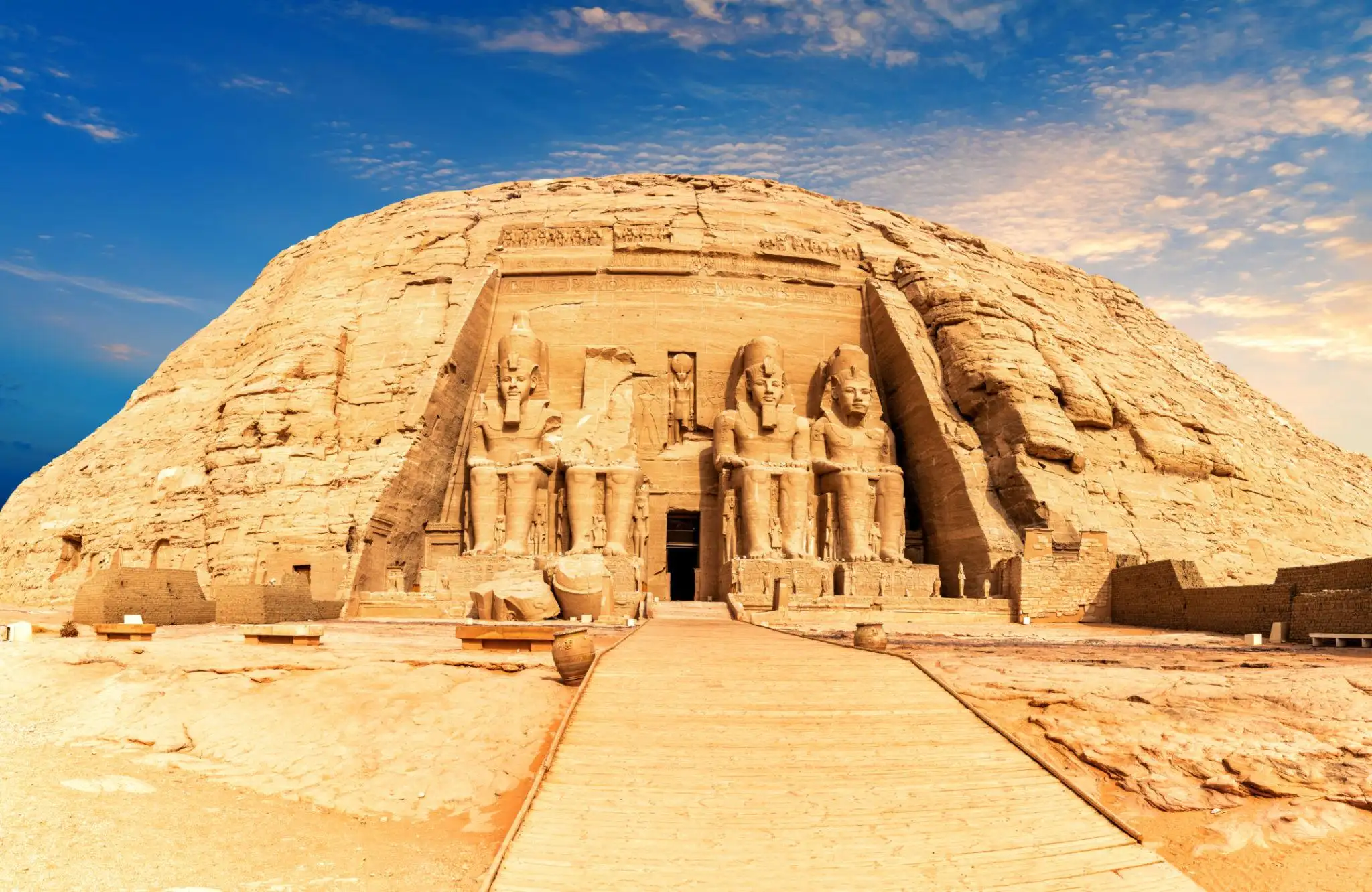
Egypt is one of the world’s most remarkable travel destinations, offering an extraordinary mix of ancient monuments, vibrant cities, peaceful Nile landscapes, desert adventures, and beautiful Red Sea beaches. From the legendary Pyramids of Giza and the Great Sphinx to the magnificent temples of Luxor and Aswan, the country is filled with Egypt tourist attractions that reveal thousands of years of history and culture.
Exploring the best Egypt tourist attractions allows travelers to experience far more than ancient ruins. Cairo combines historic neighborhoods, vibrant markets, and world-famous landmarks, while Alexandria offers a unique Mediterranean atmosphere. Further south, Luxor and Aswan reveal the grandeur of ancient Egyptian civilization. Meanwhile, Hurghada and Sharm El Sheikh add beautiful beaches, coral reefs, and exciting water activities to the list of top tourist attractions in Egypt.
The Best Egypt Tourist Attractions to Explore and Enjoy
Egypt is home to some of the world’s most remarkable historical and cultural landmarks. From the iconic Pyramids of Giza and the Great Sphinx to ancient temples, royal tombs, museums, and beautiful Nile landscapes, the country offers an incredible variety of places to explore.
The best Egypt tourist attractions can be found across different regions, each offering a unique perspective on the country’s history and culture. Cairo is ideal for discovering the pyramids, museums, historic neighborhoods, and traditional markets, while Luxor and Aswan take travelers deeper into the world of ancient Egyptian civilization.
Beyond the famous archaeological sites, Egypt also offers Mediterranean attractions in Alexandria, peaceful desert landscapes in Siwa and the White Desert, and world-class beaches and coral reefs along the Red Sea.
Why Egypt Is Home to the World’s Most Fascinating Tourist Attractions
Egypt’s appeal comes from its remarkable combination of history, culture, nature, and adventure. Travelers can explore monuments that have survived for thousands of years, sail along the Nile, discover traditional markets, and relax beside the Red Sea—all during the same trip.
Ancient Wonders and Cultural Experiences
Many visitors begin with the pyramids and ancient temples, but Egypt’s cultural experience extends far beyond its archaeological treasures. Historic mosques, Coptic churches, local markets, museums, Nubian villages, and traditional Egyptian cuisine offer additional ways to understand the country.
Attractions for Every Type of Traveler
Whether you are traveling with family, planning a romantic getaway, or visiting Egypt for the first time, there are attractions suited to different interests. A well-planned itinerary can combine ancient monuments with museums, Nile cruises, desert adventures, and relaxing beach destinations.
The Great Pyramids of Giza: Egypt’s Most Iconic Landmark
The Great Pyramids of Giza are among the most famous landmarks on Earth and one of the first places travelers should include when exploring Egypt. Located on the Giza Plateau near Cairo, the complex features the pyramids of Khufu, Khafre, and Menkaure, along with the Great Sphinx and several surrounding archaeological structures.
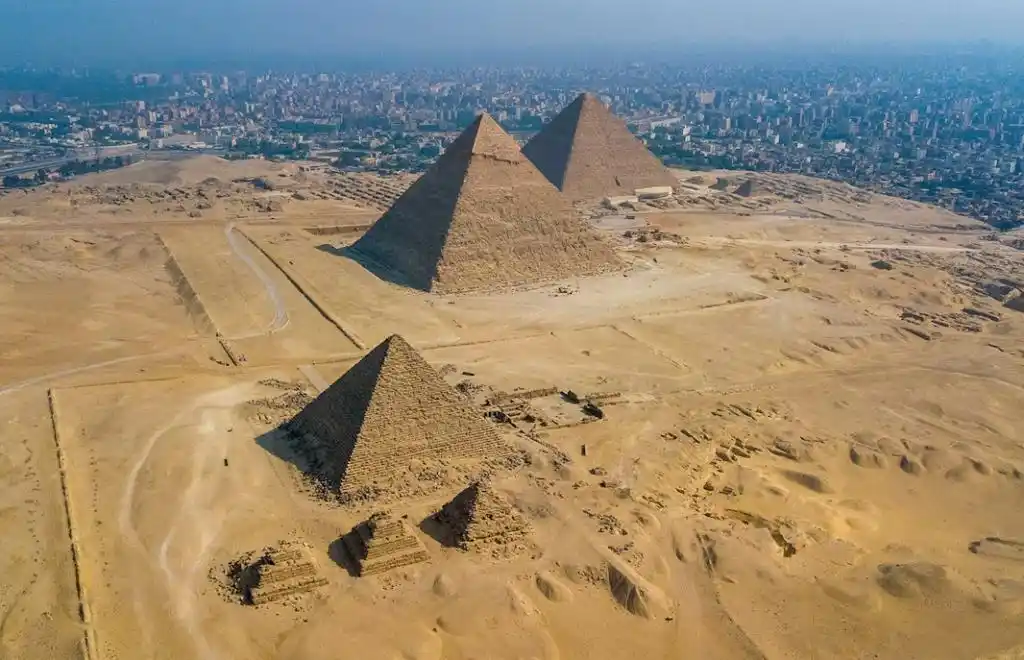
Built thousands of years ago as royal monuments, the pyramids demonstrate the extraordinary engineering, organization, and craftsmanship of ancient Egyptian civilization. Visiting the plateau allows travelers to see these monumental structures up close and understand why they remain one of the world’s greatest archaeological attractions.
Explore the Great Pyramid of Khufu
The Great Pyramid of Khufu is the largest of the three principal pyramids at Giza and the only surviving monument of the Seven Wonders of the Ancient World.
Its enormous limestone structure continues to attract visitors from around the world. Travelers can explore designated interior areas and learn about the pyramid’s construction, chambers, and role as the tomb of Pharaoh Khufu.
Read Too: Luxor from Cairo: Your Ultimate 2026 Guided Travel Masterclass
Discover the Pyramids of Khafre and Menkaure
The Pyramid of Khafre is the second-largest pyramid at Giza and is easily recognized by the remaining section of its original casing near the summit. The Pyramid of Menkaure is smaller but equally important to the overall pyramid complex.
Together, the three pyramids provide a fascinating insight into the development of royal tomb architecture during ancient Egypt’s Old Kingdom.
Walk Across the Giza Plateau
Exploring the Giza Plateau on foot gives visitors a better appreciation of the enormous scale of the monuments. Different viewpoints also provide excellent opportunities for photography.
A professional local guide can make the experience more informative by explaining the history of the pyramids, their religious significance, and the surrounding archaeological discoveries.
Best Times to Visit the Pyramids
The cooler months are generally more comfortable for exploring the Giza Plateau. During warmer periods, arriving early in the morning is recommended to avoid the strongest midday heat.
Early visits can also provide a quieter sightseeing experience and softer light for photography.
The Great Sphinx of Giza: The Legendary Guardian
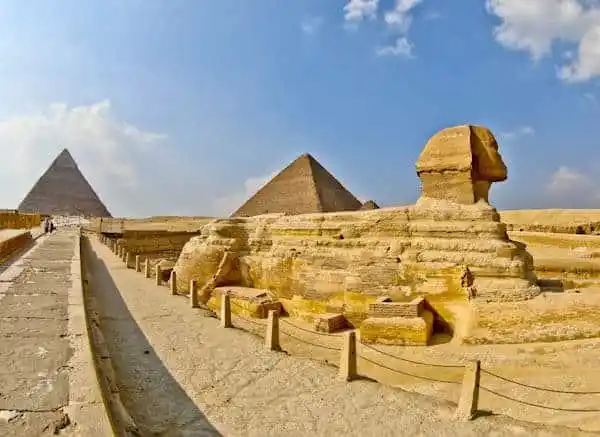
Standing beside the pyramids, the Great Sphinx is another unforgettable symbol of ancient Egypt. The colossal limestone monument has the body of a lion and a human head, traditionally associated with royal authority.
The History and Mystery Behind the Sphinx
The Sphinx has fascinated historians, archaeologists, and travelers for centuries. Its precise symbolism and many details surrounding its construction have contributed to its enduring mystery.
The monument is generally associated with the reign of Pharaoh Khafre and forms an important part of the Giza archaeological complex.
Best Viewing Spots Around the Sphinx
The Sphinx can be viewed from several areas around the complex, offering different perspectives of its enormous body and distinctive face.
The surrounding area also provides excellent views of the pyramids, making it an ideal location for combining sightseeing and photography.
Combining the Sphinx With a Giza Pyramids Tour
Because the Sphinx is located within the Giza Plateau, it can easily be visited on the same tour as the pyramids. A combined visit allows travelers to experience the major highlights of Giza in one day.
The Grand Egyptian Museum: A New Era of Ancient History
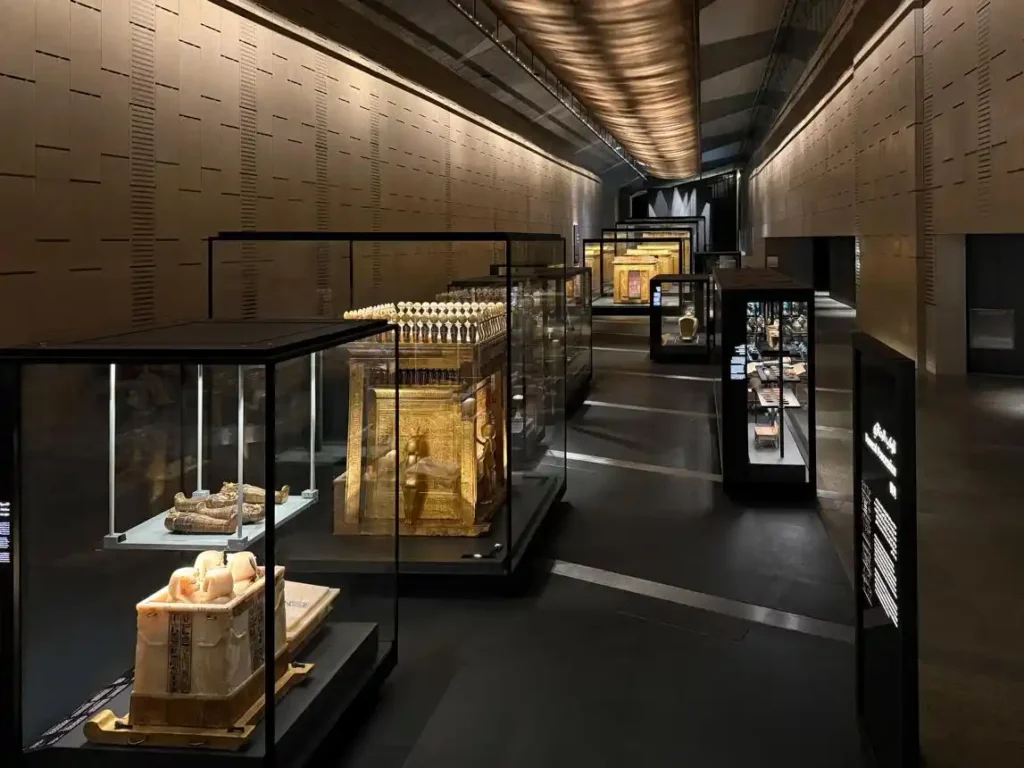
Located near the Giza Plateau, the Grand Egyptian Museum is an important addition to Cairo’s cultural attractions. Its modern architecture and extensive archaeological displays provide visitors with a contemporary way to explore ancient Egyptian history.
What Makes the Grand Egyptian Museum Special?
One of the museum’s major advantages is its location close to the pyramids. Travelers can combine a visit to the archaeological monuments with an indoor museum experience during the same Cairo itinerary.
Exploring Ancient Egyptian Collections
The museum presents artifacts connected to different periods of Egyptian history, including objects related to royalty, religion, burial traditions, daily life, and ancient art.
The collections help visitors understand the civilization behind the monuments they see throughout Egypt.
Why the Museum Is Worth Adding to a Cairo Itinerary
For travelers interested in ancient Egypt, the Grand Egyptian Museum provides important historical context and complements visits to Giza and other archaeological sites.
The Egyptian Museum in Cairo: A Treasure House of Antiquities
The Egyptian Museum in Cairo is one of Egypt’s most famous museums. It houses thousands of artifacts from ancient Egyptian history. Visitors can explore statues, jewelry, royal treasures, and funerary objects.
The museum offers a closer look at the civilization behind Egypt’s famous monuments. It also helps travelers understand how ancient Egyptians lived, worshipped, and prepared for the afterlife.
Famous Artifacts and Ancient Collections
The museum contains an impressive collection of ancient Egyptian artifacts. Visitors can see statues, sarcophagi, jewelry, tools, and religious objects.
Each collection tells part of Egypt’s long history. Some artifacts belonged to pharaohs and members of the royal family. Others reveal details about everyday life in ancient Egypt.
The museum also displays objects from different periods of Egyptian history. This variety makes it a valuable stop for anyone interested in ancient civilizations.
Exploring the Royal Mummies and Ancient Treasures
The museum’s collections include important royal artifacts and funerary treasures. These objects reveal how ancient Egyptians viewed death and the afterlife.
Visitors can also examine statues and burial objects linked to ancient rulers. Their detailed designs show the skill of Egyptian artists and craftsmen.
For history lovers, these collections offer a deeper understanding of ancient Egyptian beliefs and traditions.
How Much Time Should You Spend at the Museum?
Plan at least two to three hours for your visit. This gives you enough time to explore the main collections without rushing.
If you have a strong interest in Egyptian history, you may want to stay longer. A professional guide can also help you focus on the museum’s most important artifacts.
For a Cairo itinerary, you can combine the museum with the Pyramids of Giza, the Great Sphinx, and Historic Cairo. This combination creates a well-rounded introduction to Egypt’s history and culture.
Historic Cairo: Discover the City’s Islamic Heritage
Historic Cairo takes you beyond the world of pharaohs and ancient temples. This part of the city reveals Egypt’s rich Islamic history. You can walk through old streets, visit historic mosques, and explore traditional neighborhoods.
The area also offers a closer look at Cairo’s architecture and local culture. Every street has its own character. Many buildings preserve details from different periods of the city’s history.
Explore the Historic Streets of Old Cairo
Walking through Old Cairo gives you a different travel experience. Narrow streets connect historic buildings, markets, mosques, and traditional workshops.
You can explore the area at a relaxed pace. Stop at local shops and observe traditional crafts along the way.
A local guide can also explain the history behind important buildings. This makes your visit more meaningful and easier to understand.
Visit Historic Mosques and Architectural Landmarks
Historic Cairo contains many impressive mosques and Islamic monuments. Their domes, minarets, courtyards, and stone details reflect centuries of architectural development.
Visitors can admire detailed decorations and traditional Islamic designs. Some monuments also offer insight into Cairo’s religious and political history.
Remember to follow local customs when visiting religious sites. Dress respectfully and follow photography rules.
Discover the Stories Behind Medieval Cairo
Medieval Cairo played an important role in trade, religion, education, and politics. Its historic buildings still reflect that important period.
Exploring the area allows you to connect Cairo’s past with its modern identity. It also adds cultural depth to a trip focused mainly on ancient Egyptian attractions.
Khan El Khalili Bazaar: Cairo’s Traditional Marketplace
Khan El Khalili is one of Cairo’s most famous markets. The historic bazaar attracts visitors with its narrow lanes, traditional shops, and lively atmosphere.
The market is a great place to experience everyday Cairo. You can also find souvenirs and traditional Egyptian products.
Shopping for Egyptian Souvenirs and Handicrafts
Khan El Khalili offers many options for travelers looking for Egyptian souvenirs. Shops sell jewelry, textiles, lanterns, artwork, spices, and handmade crafts.
Take your time when exploring the market. Compare different products before making a purchase.
You can also practice your bargaining skills. Negotiating prices forms part of the traditional shopping experience in many local markets.
Discover Spices, Perfumes, Jewelry, and Traditional Goods
Colorful spices and traditional perfumes add to the market’s atmosphere. You can also find silver jewelry, decorative items, and handmade gifts.
The variety makes the bazaar interesting even if you do not plan to shop. Walking through the narrow streets can become an experience by itself.
Enjoy Egyptian Coffee and Tea at a Local Café
After shopping, take a break at a traditional café. Order Egyptian coffee or tea and enjoy the atmosphere around you.
A short café stop also gives you time to watch local life. It can be a relaxing addition to a busy Cairo sightseeing day.
The Citadel of Cairo: A Historic Fortress Above the City
The Citadel of Cairo stands on a hill overlooking the city. The fortress played an important role in Cairo’s military and political history.
Today, it attracts visitors with its historic buildings and impressive city views. The site also offers an interesting mix of architecture and history.
Explore the Mosque of Muhammad Ali
The Mosque of Muhammad Ali is one of the Citadel’s most recognizable landmarks. Its large domes and tall minarets dominate the Cairo skyline.
The mosque features an impressive interior with detailed decoration. Its elevated position also provides excellent views across parts of Cairo.
Discover Cairo’s Medieval Defensive Architecture
The Citadel includes walls, towers, gates, and other defensive structures. These features show how rulers protected Cairo during different periods.
Walking around the complex lets you see these structures up close. You can also learn how the fortress supported the city’s defense.
Enjoy Panoramic Views Across Cairo
The Citadel offers wide views across Cairo. On clear days, you can see large parts of the city from the elevated viewpoint.
Bring a camera if you enjoy city photography. The location provides several excellent photo opportunities.
The Nile River: The Lifeline of Ancient and Modern Egypt
The Nile River remains one of Egypt’s defining natural landmarks. It supported ancient settlements and continues to shape modern Egyptian life.
Many important cities and archaeological sites developed along its banks. Today, travelers can experience the river through cruises, boat trips, and riverside walks.
Why the Nile Is Central to Egyptian History
The Nile provided ancient Egyptians with water and fertile farmland. It also supported transportation, trade, and communication.
The river played a major role in the growth of ancient Egyptian civilization. Many temples and settlements developed close to its waters.
Enjoy a Nile Dinner Cruise in Cairo
A Nile dinner cruise offers a relaxing way to experience Cairo at night. You can enjoy a meal while watching the city from the river.
Many cruises also include entertainment and traditional performances. The experience works well for couples, families, and first-time visitors.
Experience a Multi-Day Nile Cruise
A multi-day Nile cruise offers a different way to explore Egypt. Cruises often travel between Luxor and Aswan.
Passengers can visit major temples during scheduled stops. They can then return to the ship and relax while enjoying Nile views.
Best Nile Views for Travelers
You can enjoy beautiful Nile views from many locations. Riverside hotels, restaurants, feluccas, and cruise ships offer different perspectives.
Sunset can create especially beautiful scenes along the river. A traditional felucca ride can also provide a peaceful Nile experience.
Luxor: The World’s Greatest Open-Air Museum
Luxor ranks among the most important destinations for ancient Egyptian history. The city stands near the remains of ancient Thebes.
Visitors can explore temples, tombs, statues, and other archaeological sites. The concentration of monuments makes Luxor a highlight of many Egypt itineraries.
Why Luxor Is Essential for First-Time Visitors
Luxor offers an incredible variety of ancient sites. You can explore major temples in the morning and visit royal tombs later in the day.
The city also works well with a Nile cruise. Many travelers use Luxor as a starting point or final stop on their river journey.
Exploring Luxor’s East and West Banks
The East Bank includes Karnak Temple and Luxor Temple. These sites focus on ancient religious architecture.
The West Bank contains the Valley of the Kings, Temple of Hatshepsut, and Colossi of Memnon. Together, both sides provide a complete Luxor experience.
How Many Days Should You Spend in Luxor?
Two or three days can cover Luxor’s main attractions. This schedule gives you enough time for both the East and West Banks.
If you have more time, explore additional archaeological sites. You can also enjoy a sunrise hot-air balloon experience over the West Bank.
Karnak Temple: A Monumental Ancient Sanctuary
Karnak Temple is one of the largest ancient religious complexes in Egypt. The site developed over many centuries.
Several pharaohs contributed to its construction and expansion. As a result, the complex contains a wide range of architectural styles and historical details.
Explore the Great Hypostyle Hall
The Great Hypostyle Hall is one of Karnak’s most impressive areas. Massive columns fill the hall and create a spectacular sight.
Many columns feature inscriptions and decorative reliefs. Walking between them helps visitors understand the scale of ancient Egyptian architecture.
Discover Ancient Egyptian Columns and Reliefs
Karnak contains countless columns, statues, walls, and reliefs. Many carvings show pharaohs, gods, religious ceremonies, and important events.
Take time to examine the details. They reveal important information about ancient Egyptian beliefs and artistic traditions.
Understanding the Religious Importance of Karnak
Karnak served as an important religious center. The complex mainly honored Amun and other important deities.
Priests performed religious ceremonies and rituals at the site. Karnak therefore played a major role in ancient Egyptian religious life.
Luxor Temple: Ancient Egypt After Sunset
Luxor Temple stands in the center of modern Luxor. Its location makes it easy to include in a city sightseeing tour.
The temple looks especially impressive after sunset. Evening lighting highlights its columns, statues, and monumental entrances.
Explore the Temple’s Monumental Entrance
The entrance leads visitors toward large courtyards and impressive columns. Ancient inscriptions and reliefs cover many parts of the temple.
The scale of the structures creates a strong impression. Take your time to explore the different sections.
Discover the Avenue of Sphinxes
The Avenue of Sphinxes once connected Luxor Temple with Karnak Temple. The ancient route formed an important part of the city’s religious landscape.
Today, visitors can explore sections of this historic avenue near the temples.
Why Evening Visits Can Be Especially Atmospheric
An evening visit offers cooler temperatures and a different atmosphere. The illuminated temple creates excellent opportunities for photography.
It can also be a relaxing way to end a busy day in Luxor.
Valley of the Kings: Walk Through Royal Tombs
The Valley of the Kings is one of Luxor’s most famous attractions. The valley contains royal tombs carved into the desert hills.
These tombs provide important evidence about ancient Egyptian beliefs. Their walls also preserve colorful scenes and religious texts.
Discover the Tombs of Egypt’s Pharaohs
The valley contains dozens of known tombs. Each tomb has its own design, history, and decoration.
Many corridors feature paintings and inscriptions related to the afterlife. These details reveal how ancient Egyptians prepared for death.
Visit the Tomb of Tutankhamun
Tutankhamun’s tomb became famous after its discovery in the 20th century. The discovery revealed an extraordinary collection of royal treasures.
Visitors can enter the tomb and see its decorated burial chamber. The experience offers a closer connection to one of Egypt’s most famous pharaohs.
Understanding Ancient Egyptian Burial Traditions
Ancient Egyptians believed that life continued after death. They created elaborate tombs and burial practices to prepare for the afterlife.
The Valley of the Kings offers valuable insight into these beliefs. Its paintings and inscriptions show religious ideas about death and rebirth.
Tips for Visiting the Valley of the Kings
Arrive early to avoid the strongest heat. Wear comfortable shoes because the site involves walking.
Carry water and use sun protection. Check which tombs are open before your visit, as access can change.
Temple of Hatshepsut: A Monument Carved Into the Cliffs
The Temple of Hatshepsut stands beneath the cliffs of Deir el-Bahari. Its terraces create one of the most distinctive landscapes in Luxor.
The temple honors Queen Hatshepsut. Its design also reflects her importance as one of ancient Egypt’s most notable rulers.
Learn About Queen Hatshepsut
Hatshepsut ruled Egypt during the 18th Dynasty. She became known for major construction projects and successful trade expeditions.
Her temple reflects her political and religious importance. Reliefs also tell stories from her reign.
Explore the Temple’s Terraces and Colonnades
The temple features several terraces connected by ramps. Large columns line parts of the complex.
The surrounding cliffs create a dramatic backdrop. This combination makes the site especially impressive for photography.
Discover the Artistic Reliefs and Inscriptions
The walls contain detailed scenes and inscriptions. Some reliefs show religious ceremonies and important events from Hatshepsut’s reign.
These artworks help visitors understand ancient Egyptian religion and royal life.
Read More : Egypt Travel Seasons
Colossi of Memnon: Two Giants of Ancient Egypt
The Colossi of Memnon are two enormous stone statues on Luxor’s West Bank. They represent Pharaoh Amenhotep III.
The statues once stood at the entrance of a much larger temple complex. Today, they remain an important stop on West Bank tours.
The Story Behind the Colossal Statues
The statues depict the seated pharaoh in a traditional royal pose. Their enormous size reflects the power and status of the ruler.
The surrounding area once formed part of a much larger temple complex.
Why the Colossi Are an Important Luxor Stop
The Colossi sit close to several major West Bank attractions. You can easily visit them while exploring the Valley of the Kings and Temple of Hatshepsut.
The stop also takes little time. This makes it a convenient addition to a busy Luxor itinerary.
Explore Egypt Tourist Attractions with Voyage On The Spot
Discover the most remarkable Egypt tourist attractions with Voyage On The Spot and experience Egypt beyond the usual sightseeing. From the legendary Pyramids of Giza and ancient temples in Luxor to the peaceful landscapes of Aswan and the beautiful Red Sea coast, we help you explore Egypt’s most unforgettable destinations.
With carefully planned tours and personalized travel experiences, Voyage On The Spot makes it easier to discover Egypt at your own pace. Whether you are visiting for the first time or returning to explore more, our travel experiences combine history, culture, adventure, and relaxation.
Let Voyage On The Spot help you create an unforgettable journey through Egypt. Choose your favorite destinations, explore iconic landmarks, and discover the stories that make Egypt one of the world’s most fascinating travel destinations.
Frequently Asked Questions About Egypt Tourist Attractions
What Are the Most Famous Tourist Attractions in Egypt?
The Pyramids of Giza, Great Sphinx, Grand Egyptian Museum, Karnak Temple, Valley of the Kings, and Abu Simbel are among the most famous attractions in Egypt.
What Are the Best Egypt Tourist Attractions for First-Time Visitors?
The Pyramids of Giza, Egyptian Museum, Luxor Temple, Valley of the Kings, and Nile River are excellent choices for first-time visitors.
How Many Days Do You Need to Explore Egypt’s Main Attractions?
A 7-day itinerary can cover many of Egypt’s major attractions. A 10- to 14-day trip offers more time to explore Cairo, Luxor, Aswan, and the Red Sea.
What Is the Best Time to Visit Egypt Tourist Attractions?
The cooler months from October to April are generally the most comfortable for sightseeing. Winter offers pleasant weather for exploring outdoor attractions.
Can You Combine Egypt’s Historical Attractions With a Red Sea Vacation?
Yes. You can explore Cairo and Luxor before traveling to Hurghada or Sharm El Sheikh. This combination lets you enjoy ancient sites, beaches, snorkeling, and relaxation.
Is Egypt a Good Destination for Families and Couples?
Yes. Egypt offers attractions and experiences for both families and couples. You can combine historical sites, Nile cruises, cultural experiences, desert adventures, and Red Sea resorts.
Plan Your Egypt Tourist Attractions Adventure with Voyage On The Spot
Egypt offers an incredible mix of ancient wonders, cultural landmarks, natural landscapes, and unforgettable experiences. From the Pyramids of Giza and the temples of Luxor to the Nile River, Aswan, and the Red Sea, every destination has its own story to discover.
With Voyage On The Spot, you can explore the best Egypt tourist attractions through carefully planned travel experiences designed around your interests, schedule, and travel style.
Ready to discover Egypt? Start planning your journey with Voyage On The Spot today and explore the most remarkable Egypt tourist attractions with confidence.

